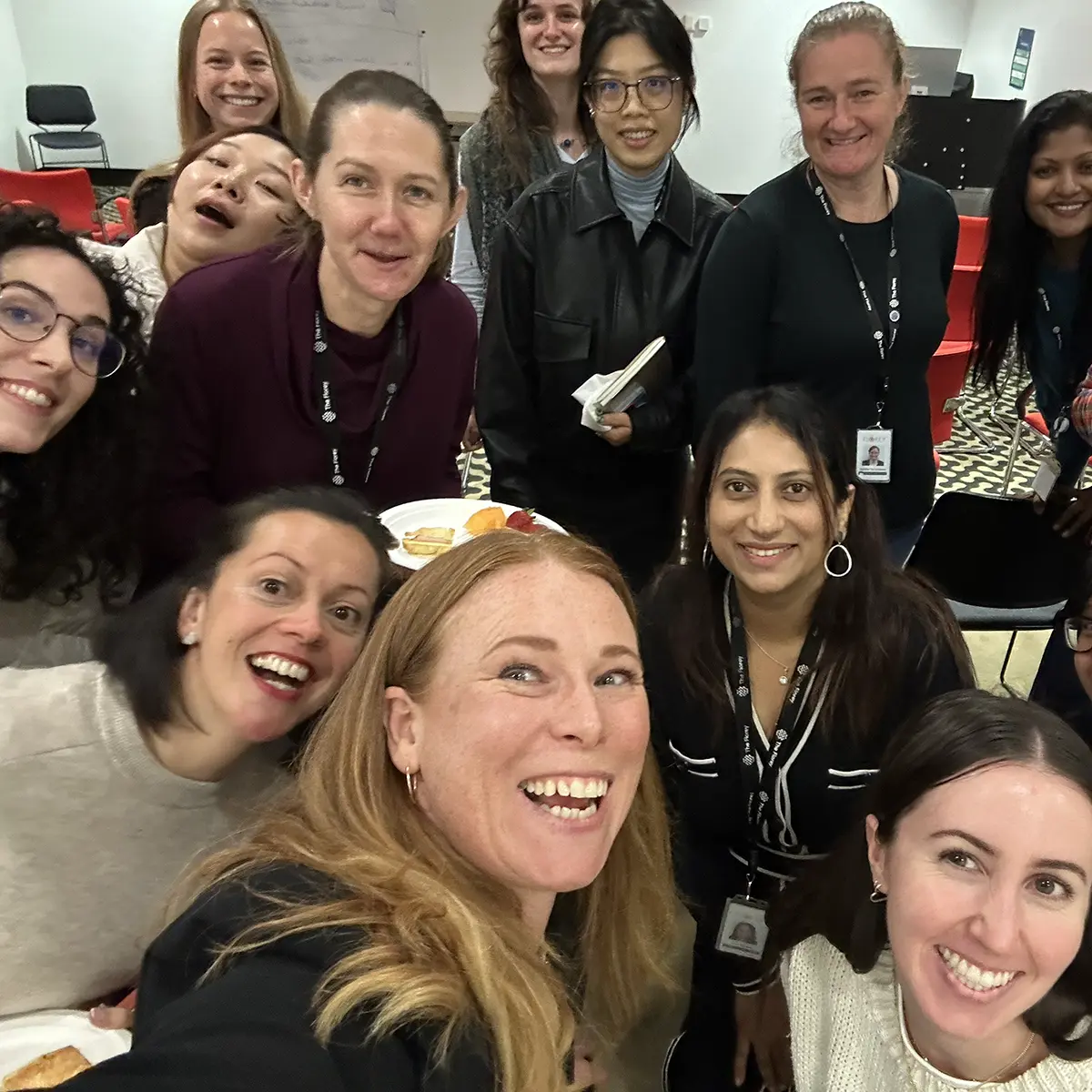
A dream come true! When I was 18, I was in a serious car accident and sustained a severe head injury.
It changed my life. Three years of doctors, rehabilitation, and hearing that my brain was damaged and could not heal.
I resisted this diagnosis because it didn’t feel true for me. Years later, discovering the work of Dr Norman Doidge validated that intuition. Without the work of brilliant researchers at brain institutes around the world, where would I be?
I am not alone.
Research into the brain, its functions, and how it affects our health, wellbeing, and relationships is relevant to all of us. As long as we are living, our brain is the hub at the core of everything we do. Without it, does our mind even exist?
But just because someone is brilliant at what they do technically doesn’t mean they are brilliant at communicating those ideas beyond their field, or shaping complex data into a story that investors, supporters, and the wider community can connect with.
And this is vital for research to continue.
Researchers are at the heart of medical and scientific breakthroughs, but they are one part of a much bigger ecosystem. We also need administrative staff, investors, philanthropists, and all the people who support research as it moves from the lab into the world.
So, it was a dream come true to take lessons I had learned from the work of the Florey and return them to the researchers themselves, helping them organise their thoughts so they could communicate their ideas with greater clarity and confidence.
Thank you for the honour.
Key takeaways:
- Start with your end point in mind – When you are clear on your values and what you want, your communication becomes more focused and intentional. Without that clarity, your message loses direction and it becomes harder for others to support you.
- Manage the moment, don’t let it manage you – It is normal to feel nervous, especially when something matters. With practice and awareness, you can move through an amygdala hijack and still communicate clearly.
- Make it easy for people to say yes – People don’t choose what’s best, they choose what’s easiest. When your message is simple, solution-focused, and clear, it is far more likely to land and be acted on.